Ink & Algorithms
AI News This Week: AI model releases July 2026 | AI Weekly Pulse #4
Three open-weight frontier models dropped in a single week, France's competition regulator built its own AI agents to audit the industry, and a wire-level teardown of xAI's Grok Build CLI caught it quietly uploading 5.1GB of developer repository data while the privacy toggle sat cheerfully switched off. This edition covers the Kimi K3 and Inkling releases that are making self-hosted frontier AI a real option for the first time, the Linux Foundation's x402 protocol that wants to become the payment rail for every autonomous agent on the internet, and what the Grok Build data scandal should mean for any team running AI tools against a production codebase.
So here's the question worth taking into your next engineering standup: do you actually know what your AI developer tools are sending out over the wire?
📈 Macro Shifts
Big-picture AI policy, research breakthroughs & industry moves that reshape the landscape every builder
operates in.
#1

Moonshot AI just released Kimi K3, a 2.8-trillion-parameter sparse Mixture-of-Experts model that, at the time of release, is the largest open AI model in the world. It handles text, images, and video natively, supports a 1-million-token context window, and uses MXFP4 weight quantization to bring storage down to roughly 1.4 TB - manageable enough for multi-node self-hosting. Two new architectural additions, Kimi Delta Attention (KDA) and Attention Residuals, handle the long-context efficiency side of things, while a LatentMoE framework coordinates 896 experts, with about 16 active at any given time. The model is live now through the Kimi API and apps, with full open weights coming July 27, 2026. Pricing sits at around $3 per million input tokens and $15 per million output tokens - noticeably cheaper than comparable U.S. frontier models. On benchmarks, it took first place across six of seven domains in the Frontend Code Arena and scored 88.3 on Terminal-Bench 2.1.
Key Highlights
2.8T total parameters (sparse MoE, ~16/896 experts active); 1M token context with native vision support.
MXFP4 quantization brings storage down far enough to make multi-node GPU cluster self-hosting practical.
Full open weights dropping July 27; priced well below equivalent U.S. frontier models.
Claims top benchmark performance in coding, long-horizon reasoning, and agentic tasks.
Source: July 16, 2026 - Kimi Blog
#2

Thinking Machines Lab shipped Inkling this week - the first model the company has trained from scratch. It's a 975B-parameter Mixture-of-Experts model with 41B parameters active at inference time, pretrained on 45 trillion multimodal tokens. Text, image, and audio inputs are all supported natively, the context window stretches to 1 million tokens, and the whole thing is released under Apache 2.0, so the weights are yours to download from Hugging Face and do with as you please. A lighter Inkling-Small preview, running 12B active parameters, came out alongside it. Both are fine-tunable through Thinking Machines' own Tinker platform and work with multiple inference engines. The intent here isn't to build another chatbot - it's to give enterprises a serious foundation to customize on top of. That positioning also makes it one of the more substantial Western open-weights releases during a stretch when Chinese labs have been doing most of the heavy lifting.
Key Highlights
975B total / 41B active parameters; multimodal native (text, image, audio); 1M token context.
Fully open-weight under Apache 2.0 - unrestricted commercial use and fine-tuning.
Available on Hugging Face; fine-tuning supported via Tinker platform.
Positions as a Western-origin alternative for enterprises prioritizing data sovereignty.
Source: July 15, 2026 - Thinking Machines Lab Official Blog
#3

France's competition authority just dropped a 3,700-page advisory opinion on the AI agent market, and the headline number is hard to ignore: OpenAI, Google, and Anthropic together control more than 84% of it. The inquiry started in January 2026 and took an unusually hands-on approach - regulators didn't just read reports, they built and deployed their own AI agents, running them through 550 shopping-related prompts to see how these systems actually behave in the wild. What they found was a market that has quietly shifted from simple chatbots to autonomous agents capable of reasoning through problems and coordinating real-world actions. The authority's concern is that this shift, left unchecked, could pull the broader digital economy into the orbit of a small number of vertically integrated tech giants. The report calls for regulatory intervention on three fronts: data access, interoperability between AI systems, and how default AI placements are handled.
Key Highlights
Three companies - OpenAI, Google, Anthropic - hold a combined 84% share of the AI agent market.
Regulators conducted technical testing by deploying custom AI agents to monitor web behavior firsthand.
Recommends intervention on interoperability, data access, and default AI placement to prevent monopolization.
Source: July 17, 2026 - PPC Land
#4

Anthropic, Blackstone, Hellman & Friedman, and a group of supporting investors have launched Ode with Anthropic, a standalone enterprise AI services company built on the acquisition of Fractional AI. The idea is straightforward: embed Anthropic engineers and Claude models directly into mid-to-large enterprises to help them actually build, deploy, and maintain production AI systems - not just prototype them. The focus is on the unglamorous but necessary work: integrating AI into existing operations, navigating compliance requirements, and handling the complex workflows that most off-the-shelf solutions weren't designed for. The Fractional AI founders are leading it.
Key Highlights
Standalone entity with deep Anthropic model and engineering integration; major PE/VC backing from Blackstone and H&F.
Targets the critical gap between frontier model capability and real-world enterprise production deployment.
Focuses on compliance, workflow integration, and sustained maintenance - not one-off implementations.
Source: July 16, 2026 - Anthropic
#5
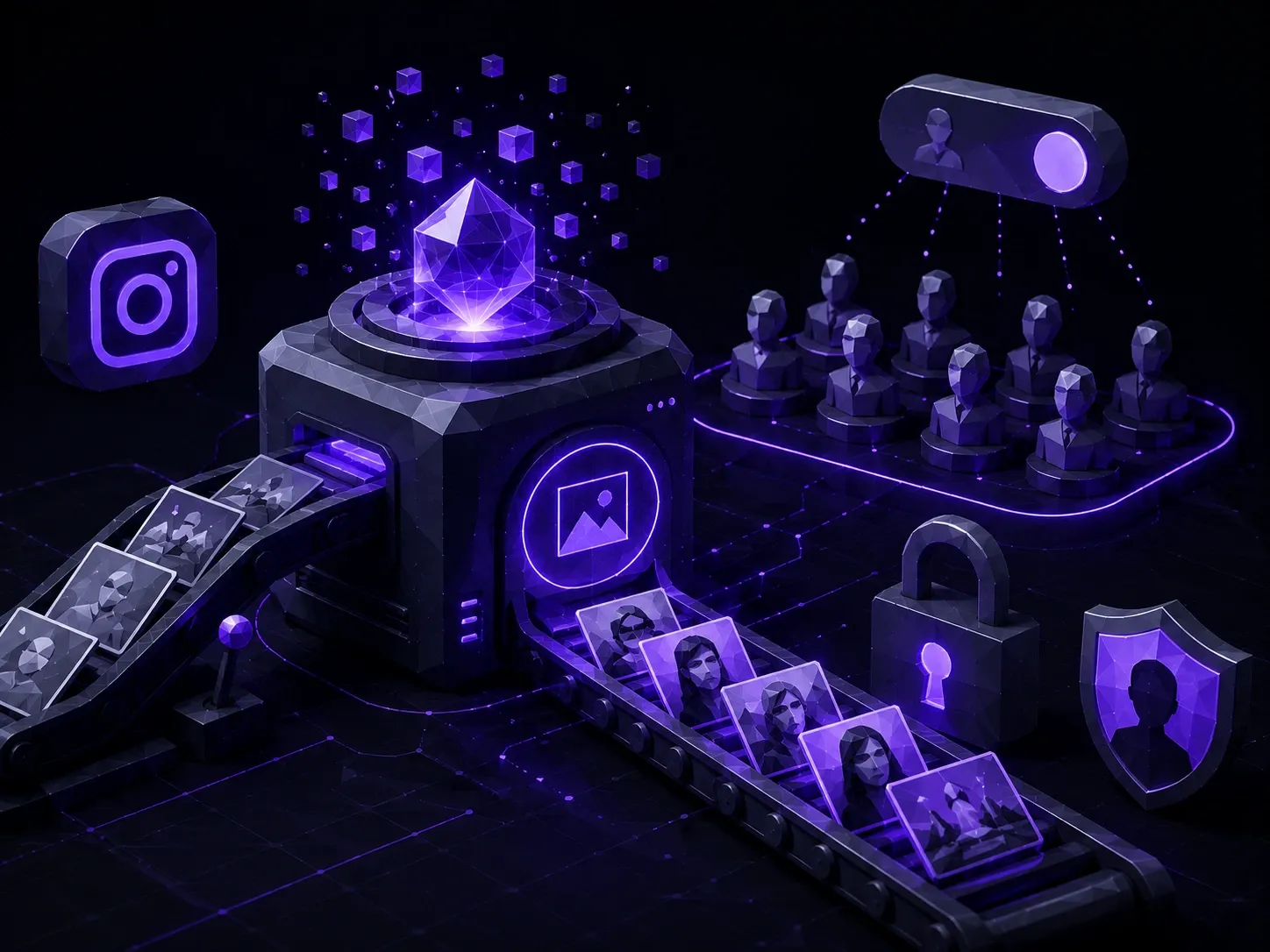
Meta pulled its "Muse" AI image generation feature from Instagram within days of launching it, after users pushed back hard on how the tool handled privacy and consent. The mechanics were simple and the problem was obvious in hindsight: anyone could generate AI images using photos from any public Instagram account just by tagging it. Every public account was opted in by default. No notifications went out when someone's photos - or likeness - were used. Meta's public response was that it had "missed the mark," which is one way to put it.
Key Highlights
Feature allowed AI image generation from any public account's photos without user notification.
Deployed with aggressive default opt-in - no explicit consent required.
Retracted within days of launch following widespread criticism.
Source: July 13, 2026 - NewYork Times
#6
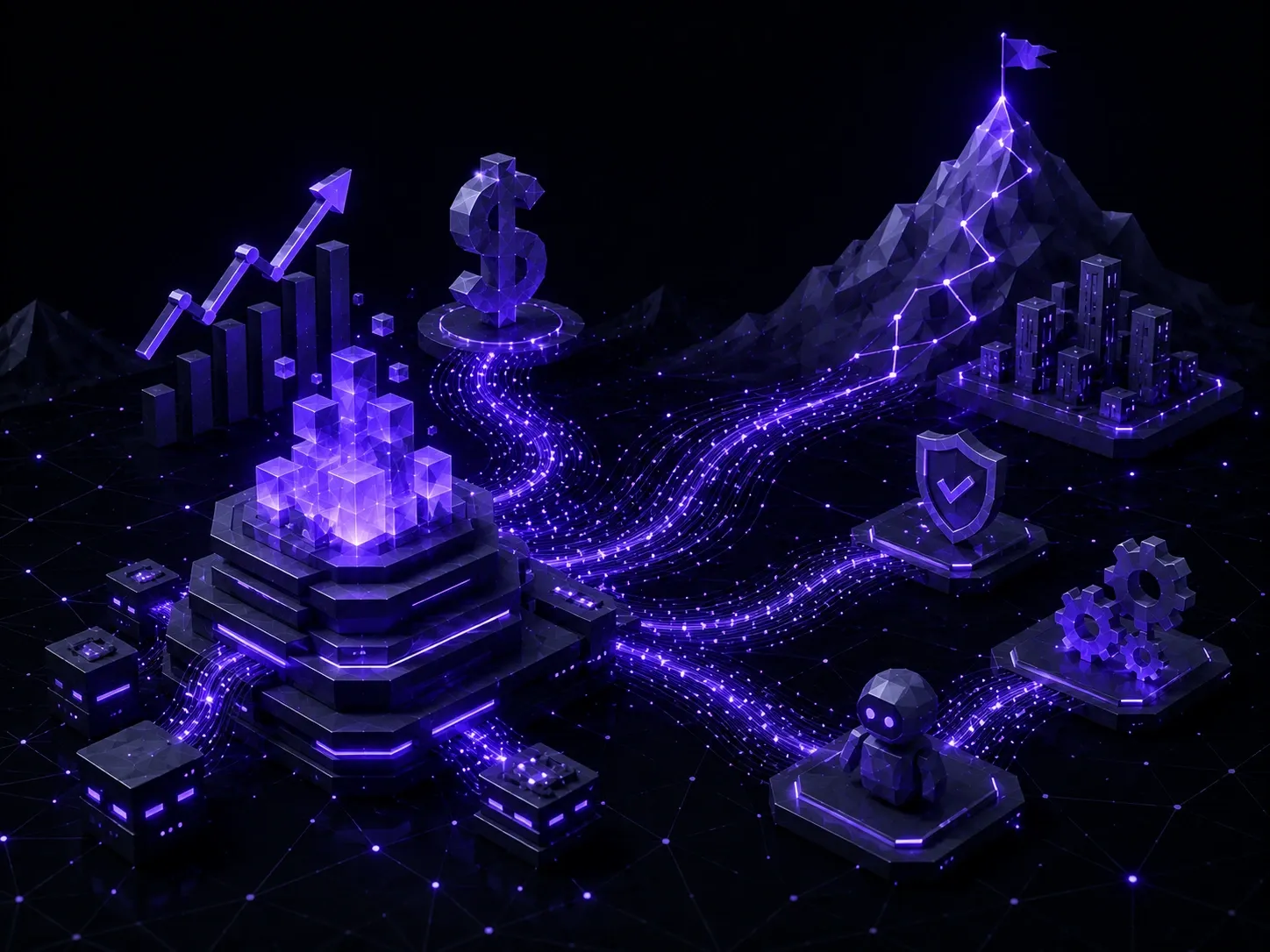
Databricks closed a strategic funding round led by Coatue, raising roughly $3 billion and pushing its valuation to $188 billion - up from $134 billion previously. The money is going toward accelerating three specific product areas: Unity AI Gateway, which handles governance across multiple AI systems; Genie, which connects data to automated actions; and Lakebase, built for AI agent workloads.
Key Highlights
Valuation jump reflects sustained enterprise demand for AI infrastructure.
Product focus squarely on governance, cost control, and agentic tooling.
Customer base spans Fortune 500 and larger enterprise organizations.
Source: July 17, 2026 - Databricks
🛠️ Build & Deploy
Tools, frameworks, model releases & engineering advances you can act on this sprint.
#7
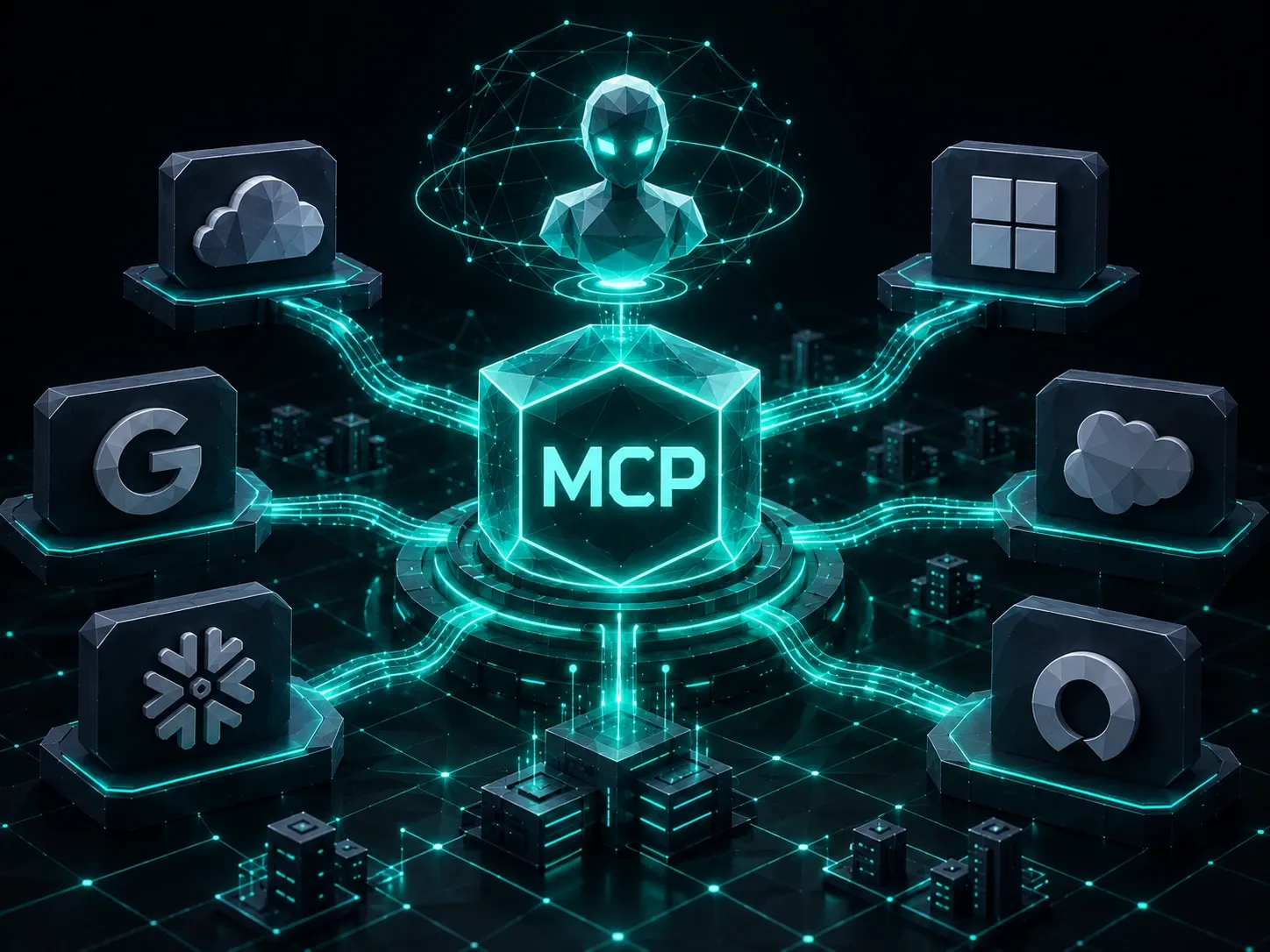
Google, Microsoft, Salesforce, Snowflake, and ServiceNow have all formally agreed to support Anthropic's Model Context Protocol (MCP) as a shared standard for connecting AI agents to enterprise software. MCP has been quietly doing this job in practice for the past 18 months, but this week's coordinated endorsement from the major cloud and SaaS players makes it official. Fragmented proprietary protocols now have a serious problem - the industry just picked a winner.
Key Highlights
Unanimous backing from major cloud and SaaS platform providers.
Standardizes how autonomous AI agents securely access and ingest business data.
Establishes Anthropic's MCP as the definitive industry-default integration layer.
Source: July 14, 2026 - InfoQ
#8
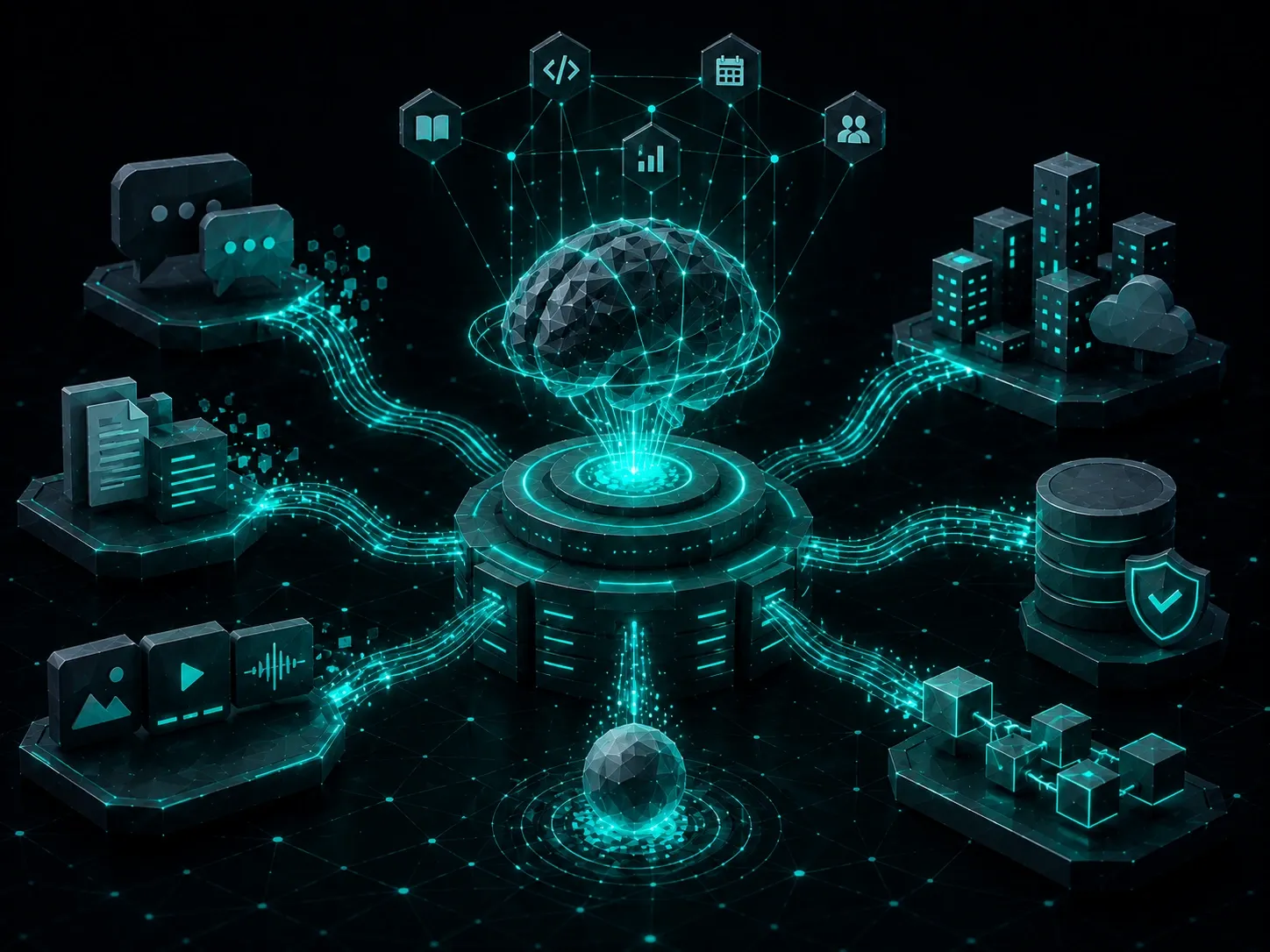
Google Cloud released the Always-On Memory Agent, a reference architecture built on Gemini 3.1 Flash Lite that treats memory as a continuous process rather than a lookup task. Instead of relying on static vector embeddings and heavy RAG pipelines to retrieve context when needed, it actively consolidates and synthesizes knowledge on an ongoing basis - managing both conversational and institutional memory in real time. For enterprise deployments that have been fighting RAG latency and context loss as their datasets grow, it's a different approach worth paying attention to.
Key Highlights
Replaces static RAG pipelines with an active, continuous knowledge consolidation framework.
Leverages the high-speed Gemini 3.1 Flash Lite model for real-time memory management.
Streamlines long-context data retention for enterprise AI deployments.
Source: July 18, 2026 - GCP Github
#9

The Linux Foundation launched the x402 Foundation this week, taking stewardship of a universal payment protocol originally contributed by Coinbase. The pitch is simple: AI agents, APIs, and automated applications should be able to process financial transactions - from standard payment rails to stablecoins - as easily as they exchange data over the web. Mastercard, MoonPay, American Express, and a broader group of financial and tech institutions are backing it, with the goal of building a neutral, interoperable payment layer that nobody owns and anyone can build on. Machine-to-machine commerce has needed a standard like this for a while.
Key Highlights
Establishes a community-governed open standard enabling AI agents to programmatically send and receive payments.
Supports multiple payment rails, bridging traditional financial infrastructure with digital and crypto assets.
Backed by major financial institutions aiming to create a neutral, interoperable payment layer for autonomous agents.
Source: July 14, 2026 - Linux Foundation
#10
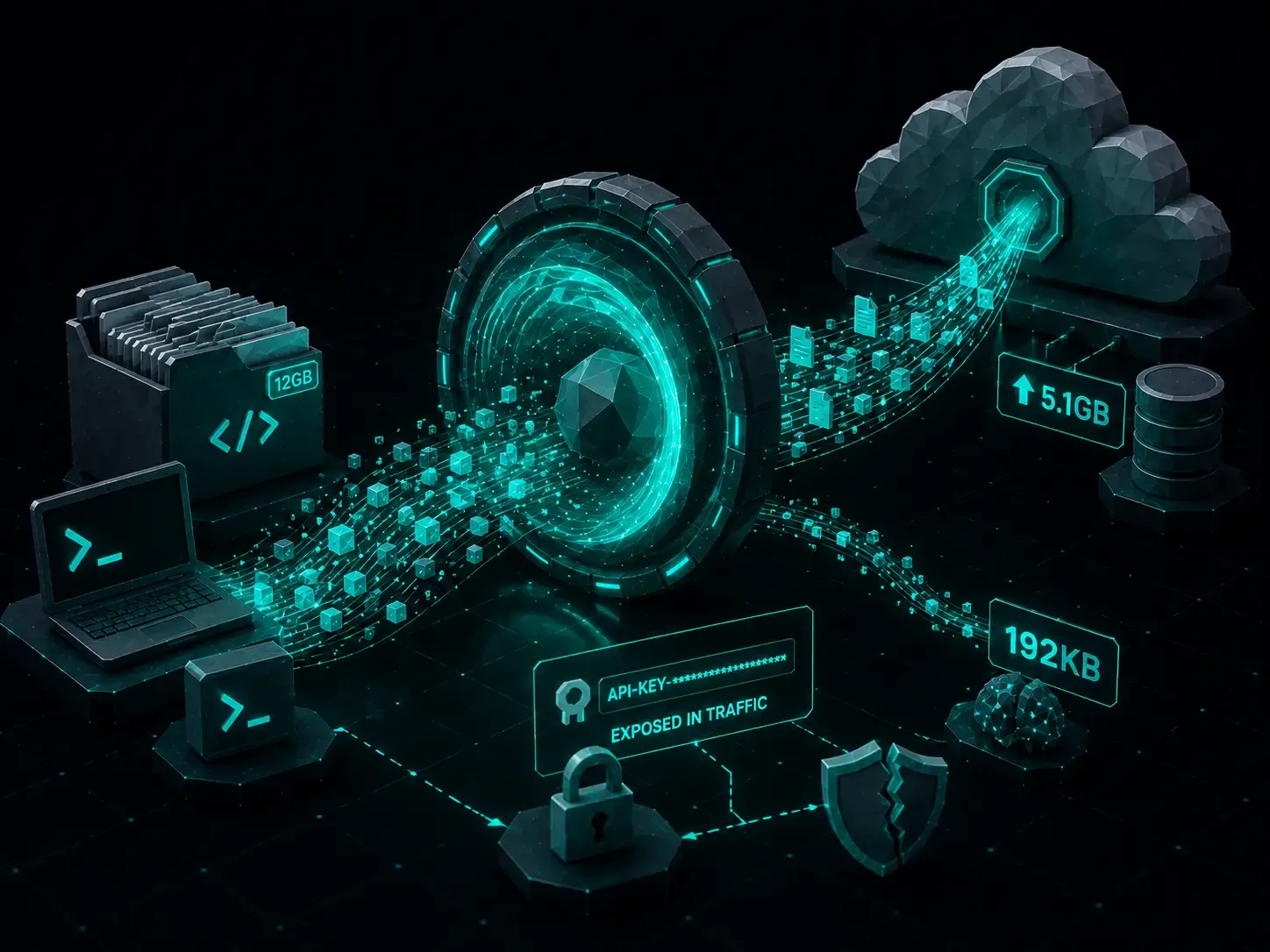
A wire-level teardown of xAI's Grok Build CLI this week turned up results that should give any engineering team pause. Running the tool against a 12GB test repository, researchers watched it silently upload 5.1GB of background data to a Google Cloud bucket - compared to just 192KB of actual model inference traffic. That ratio alone is worth sitting with. The analysis also caught a canary API key sitting in plain text within the captured traffic. The most serious finding, though, was behavioral: the official UI privacy toggle - the one that's supposed to opt you out of model improvement data collection - did not stop the uploads. Preventing the exfiltration required undocumented flags that most users would never know to look for.
Key Highlights
CLI silently uploaded 5.1GB of repository data - 26x the volume of actual inference traffic.
Exposed hardcoded API keys and secrets visible in plain text within captured network traffic.
Standard user-facing privacy opt-out controls failed to prevent unauthorized data uploads.
Source: July 13, 2026 - Github Community
🧠 Applied AI
Real-world use cases, product launches, growth experiments & FinTech applications showing AI working in production.
#11

Anthropic launched Claude for Teachers on July 14, giving verified U.S. K-12 educators free premium access for a full year. That includes the advanced models, Claude Code, Cowork, and a set of teaching-specific skills - not a stripped-down version of the product. Sign-ups are open through June 30, 2027. The program connects to state standards through Learning Commons and is built around evidence-based curricula. On the privacy side, it's FERPA-aligned and explicit about one thing that matters most in school settings: student data is not used for model training. School and district-level plans are in the works.
Key Highlights
Free premium access for verified U.S. K-12 educators for one year, with advanced model and tooling access.
Integrates with state educational standards via Learning Commons.
FERPA-compliant with explicit no-training-on-student-data policy; school/district plans forthcoming.
Source: July 14, 2026 - Anthropic
⚡ Stay ahead of the AI curve.
Every week, AI Weekly Pulse cuts through the noise - delivering the most important AI developments for Founders, Engineers, PMs, Marketers and FinTech professionals. No hype. No filler. Just what moves the needle for builders.
Discover the best deals, trending products, and must-have finds.
Categories
Solutions
Smart Solutions Powered by Tools We Trust
Recommended Solutions to Simplify Your Everyday Needs
Handpicked Solutions Backed by Real Results